

Club of Former Rectors and Senate Presidents
- Role
- President of the Rectors' Club
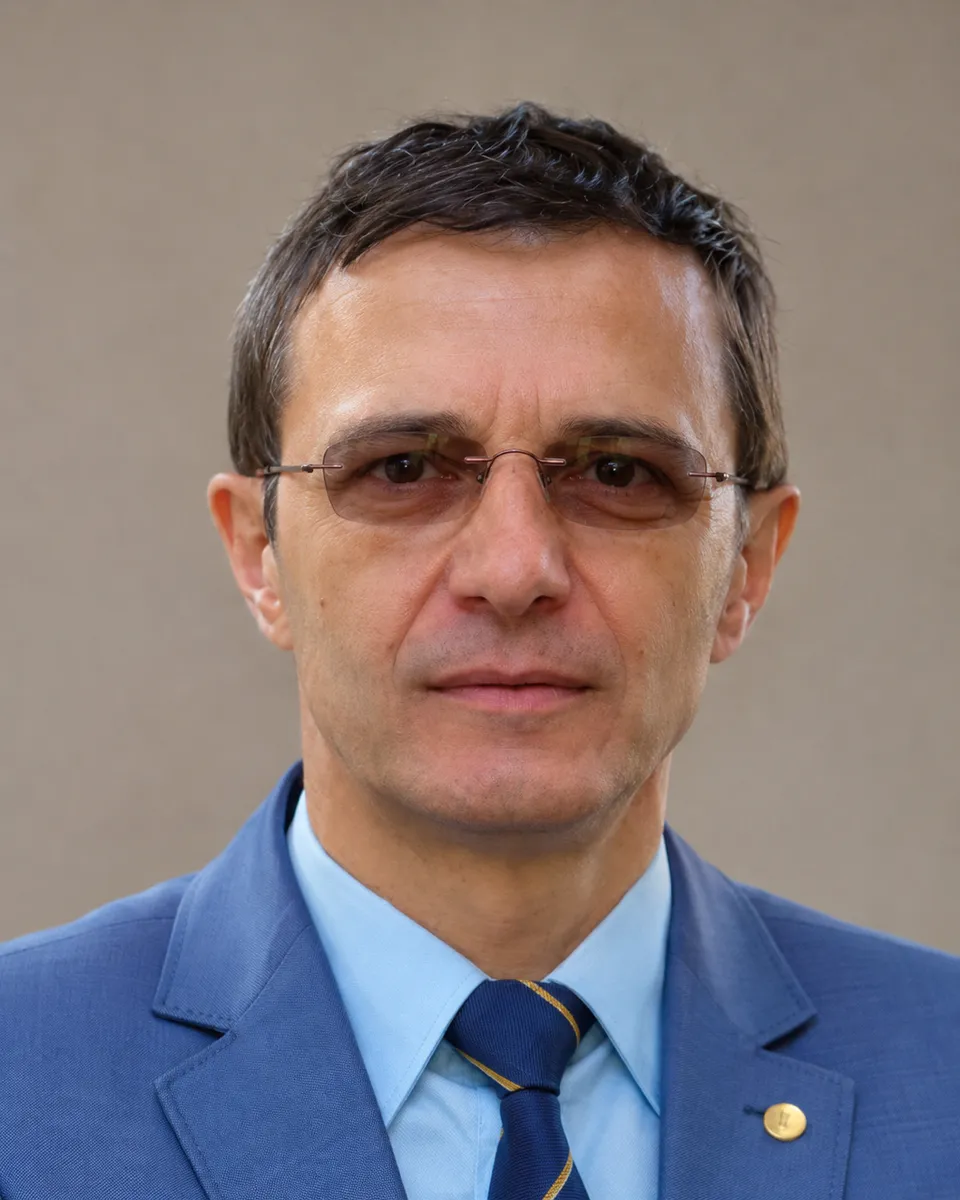
Acad. Prof. Dr. Ioan-Aurel Pop
Ioan-Aurel Pop is a historian, a professor at Babeș-Bolyai University in Cluj-Napoca and a full member of the Romanian Academy. His research covers the medieval history of the Romanians and of Central and Eastern Europe, the institutions of Transylvania and its ties with Central and Western Europe.
He graduated from the Faculty of History and Philosophy of Babeș-Bolyai University (1979) and wrote his doctoral thesis on the knezial assemblies of Transylvania in the 14th-16th centuries under Ștefan Pascu. At the same university he rose through every academic rank, from assistant (1984) to professor (1996). Since 1993 he has directed the Center for Transylvanian Studies. He was a Fulbright professor at the University of Pittsburgh (1991-1992), director of the Romanian Cultural Center in New York (1994-1995) and director of the Romanian Institute of Culture and Humanistic Research in Venice (2003-2007).
From 2012 to 2020 he served two terms as rector of Babeș-Bolyai University. A corresponding member of the Romanian Academy since 2001 and a full member since 2010, he was President of the Romanian Academy from 2018 to 2026, also for two terms.
He has written or co-written more than 70 books and more than 500 studies and articles, and holds honorary doctorates from several universities in Romania and the Republic of Moldova.
Members of the Club
Prof. Dr.
Marius Traian Bojiță
Rev. Prof. Dr.
Ioan Chirilă
Prof. Dr.
Ioan Ștefan Florian
Prof. Dr.
Mihai Iliescu
Prof. Dr.
Alexandru Irimie
Prof. Eng.
Gheorghe Lazea
Prof. Dr.
Aurel Marc
Prof. Dr.
Leon Sorin Muntean
Prof. Eng.
Radu Munteanu
Prof. Dr.
Ninuca Oșanu-Pop
Acad. Prof. Dr.
Doru Pamfil
Prof. Dr.
Adrian Pop
Prof. Dr.
Ioan Sbârciu
Prof. Dr.
Radu Solovăstru
Prof. Dr.
Viorel Mitre
Prof. Dr.
Nicolae Bocșan
Acad. Prof. Dr. Eng.
Horea Colan
Prof. Dr.
Ionel Haiduc
Prof. Dr.
Nicu-George Ionescu
Prof. Dr.
Nicolae Maier
Prof. Dr.
Liviu Mărghitaș
Prof. Dr.
Ioachim Nica
Prof. Dr.
Oliviu Pascu
Prof. Dr.
Rodica Pop
Prof. Dr.
Alexandru Salontai
Prof. Dr.
Ion Vlad
Prof. Dr.
Aurel Vlaicu
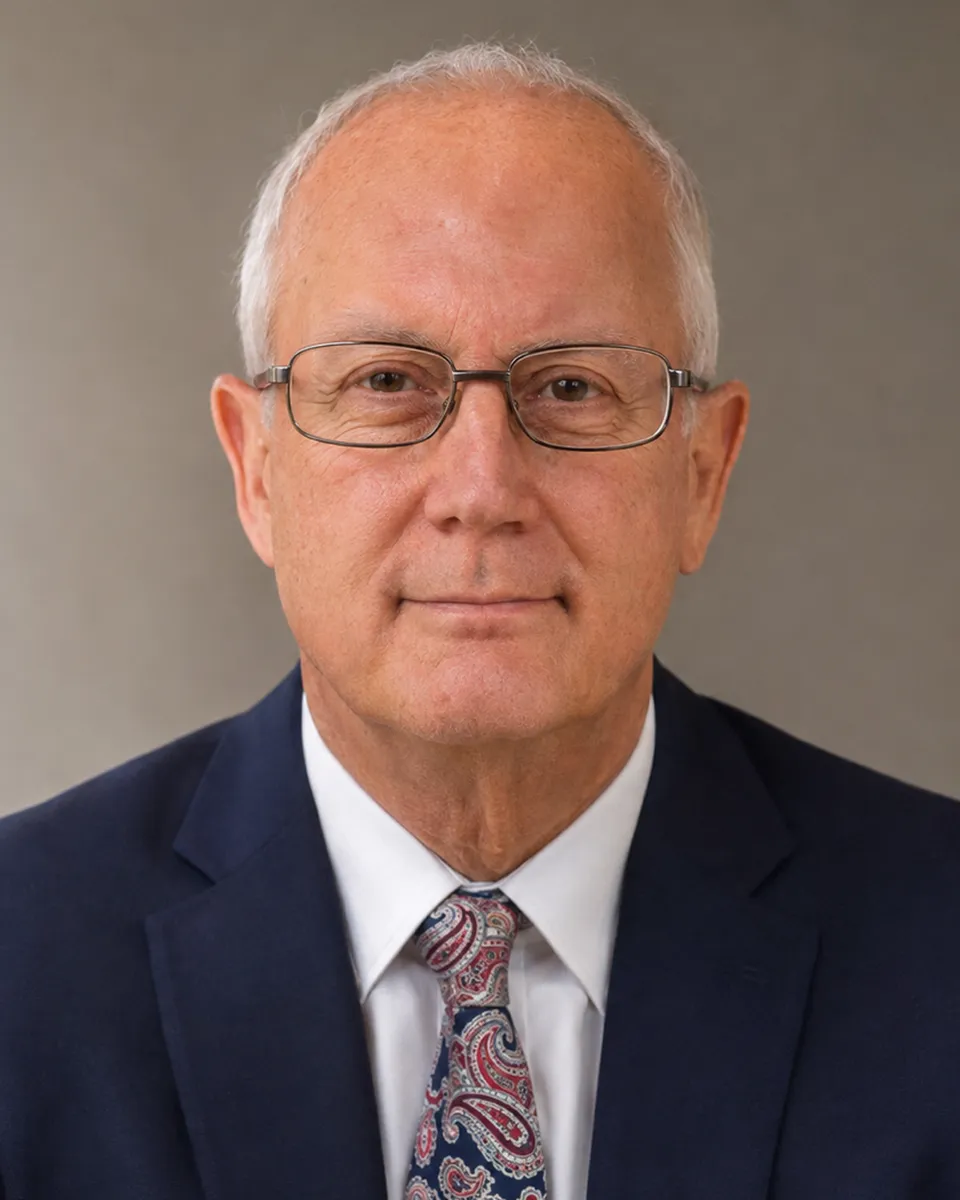
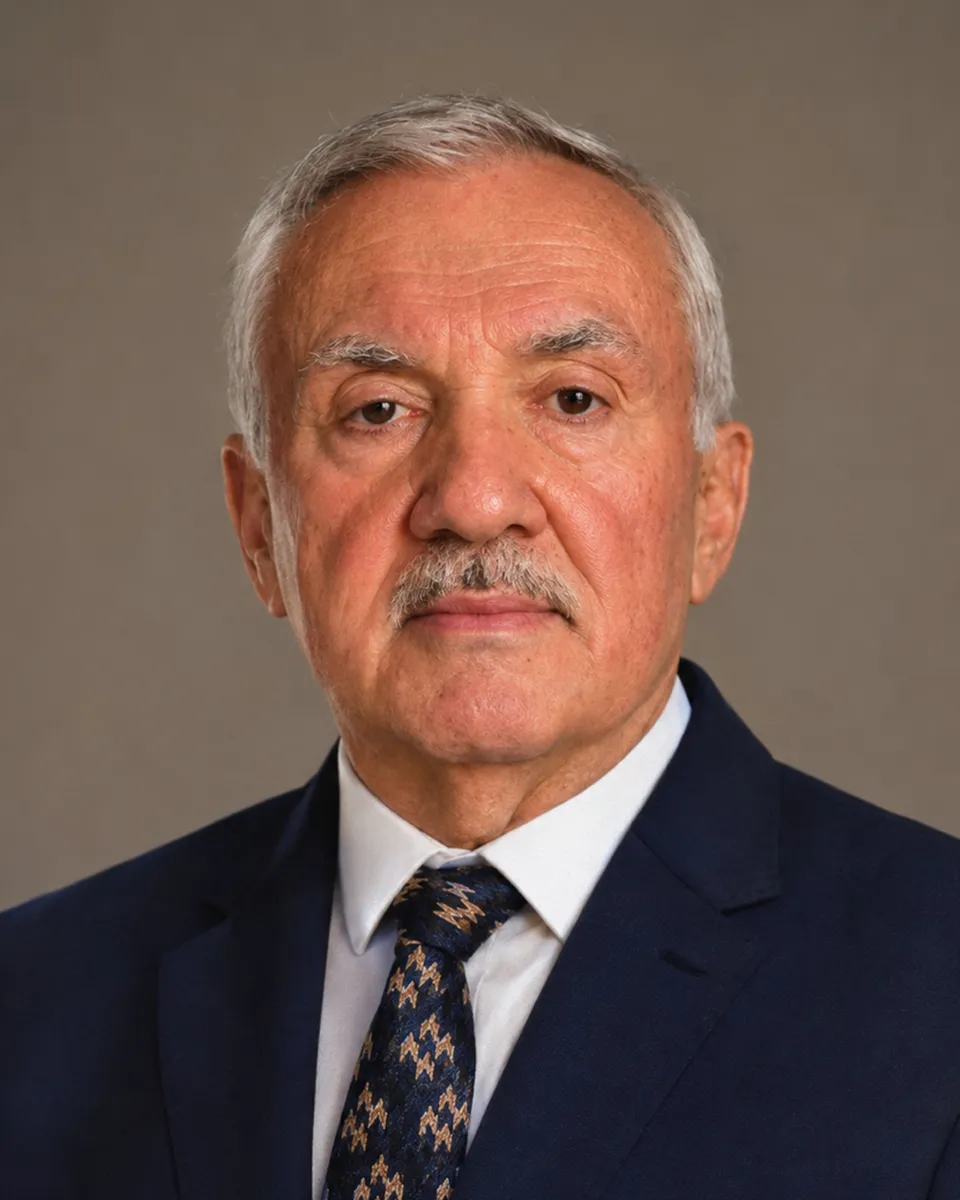
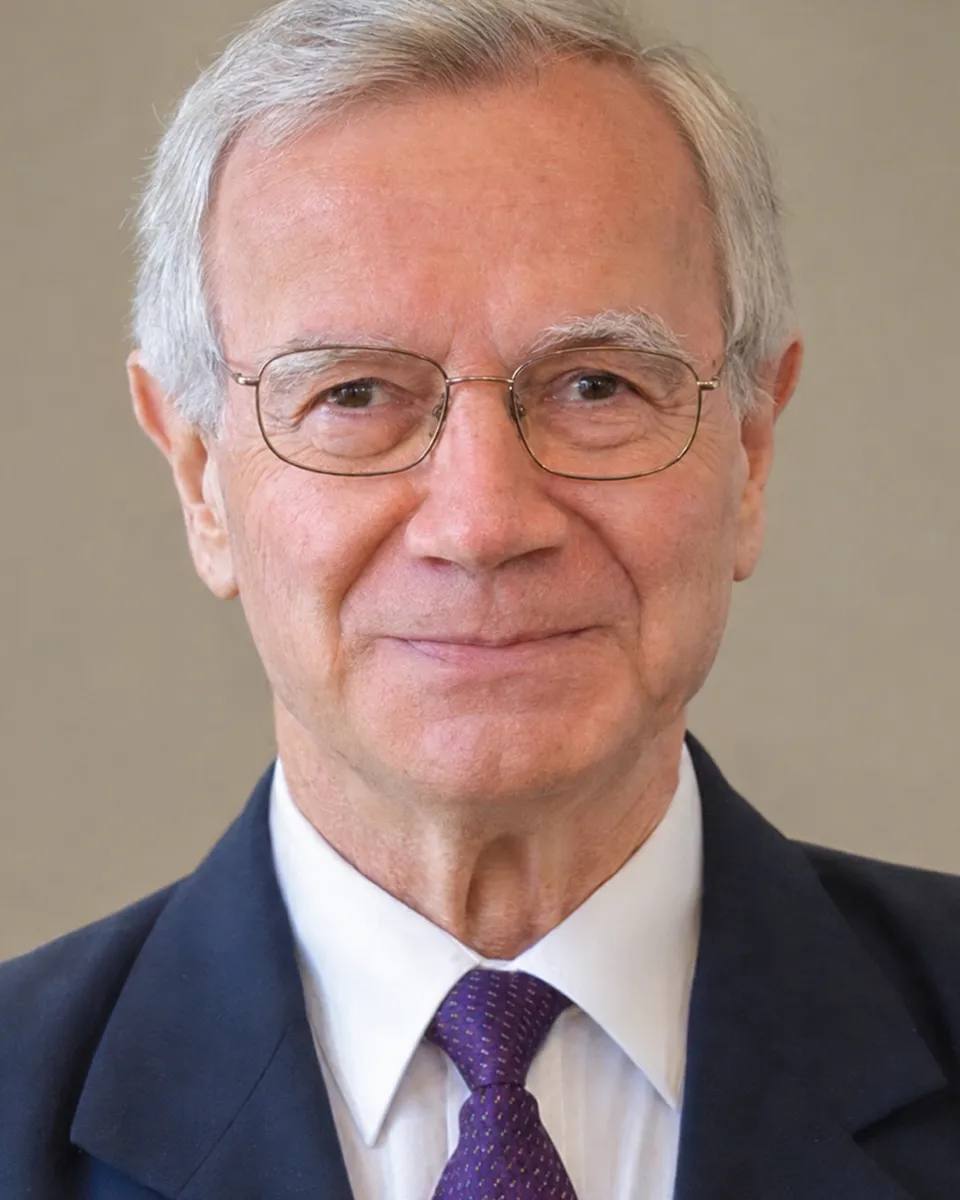
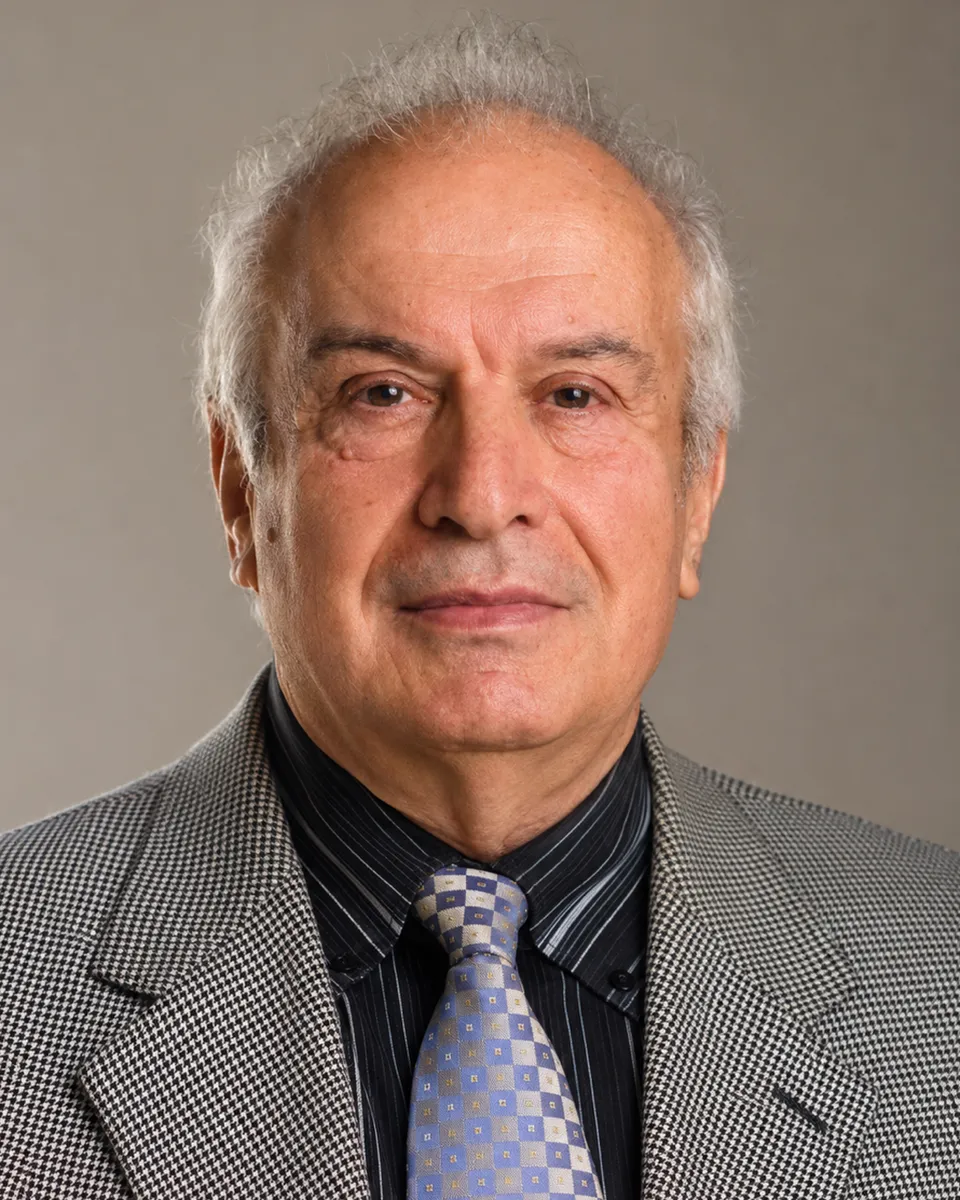
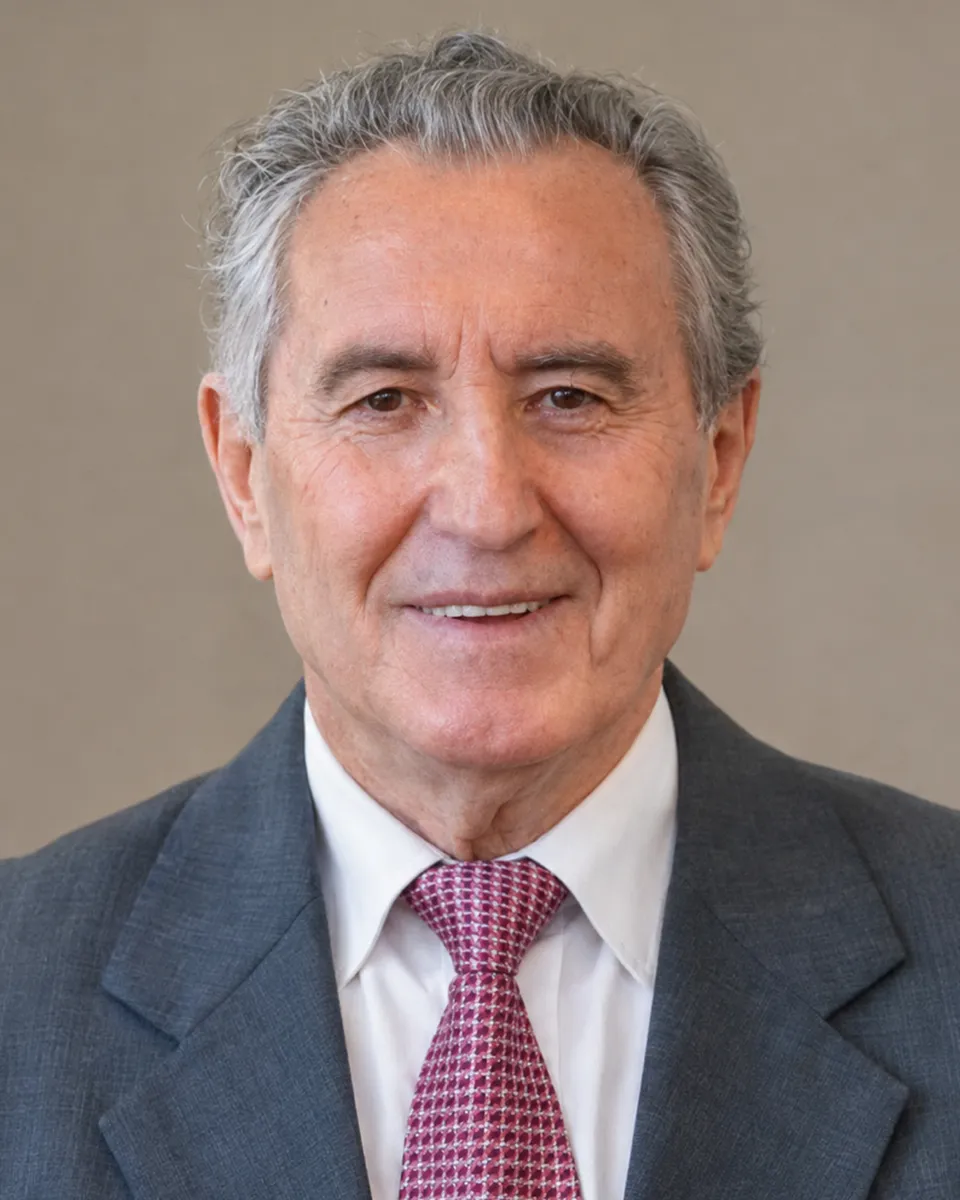
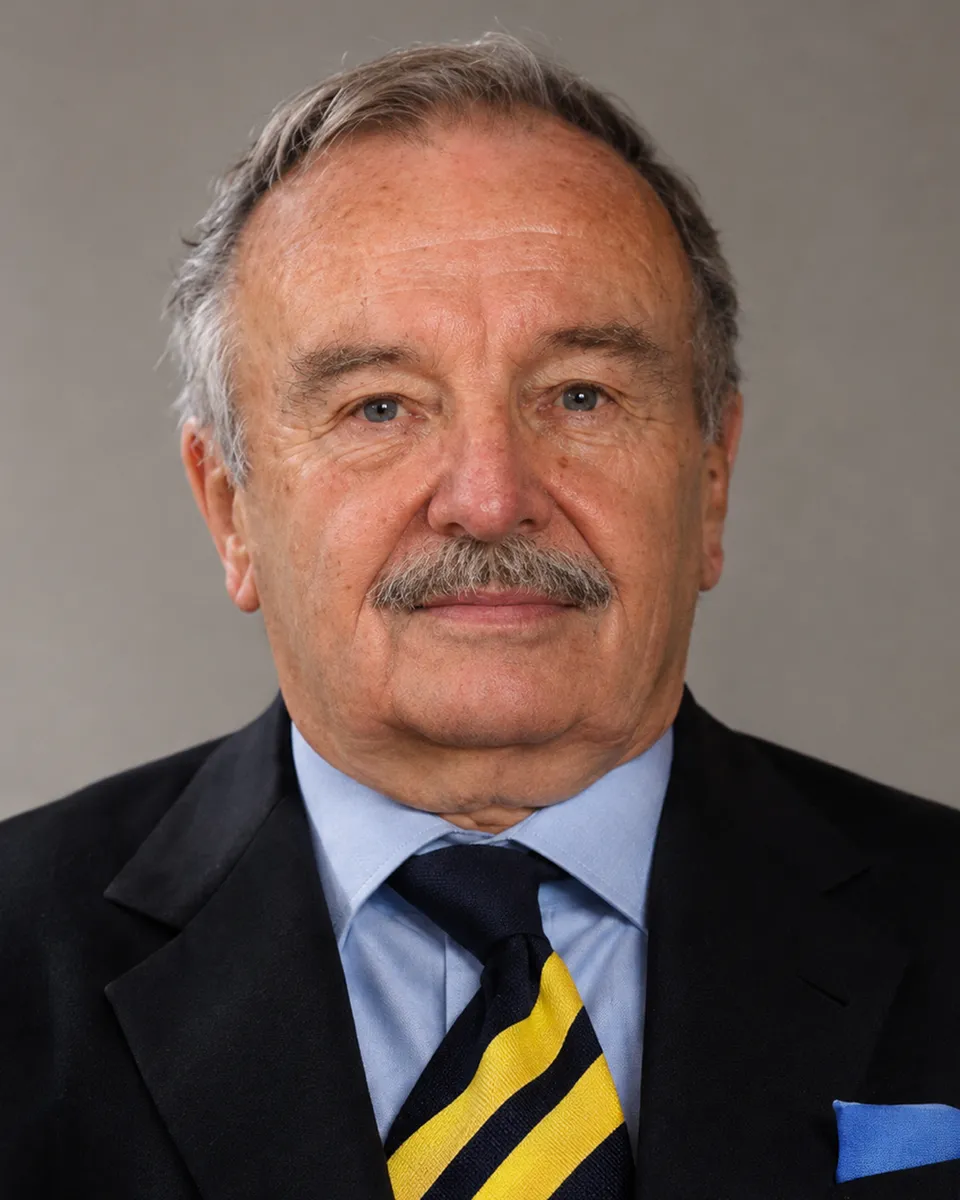
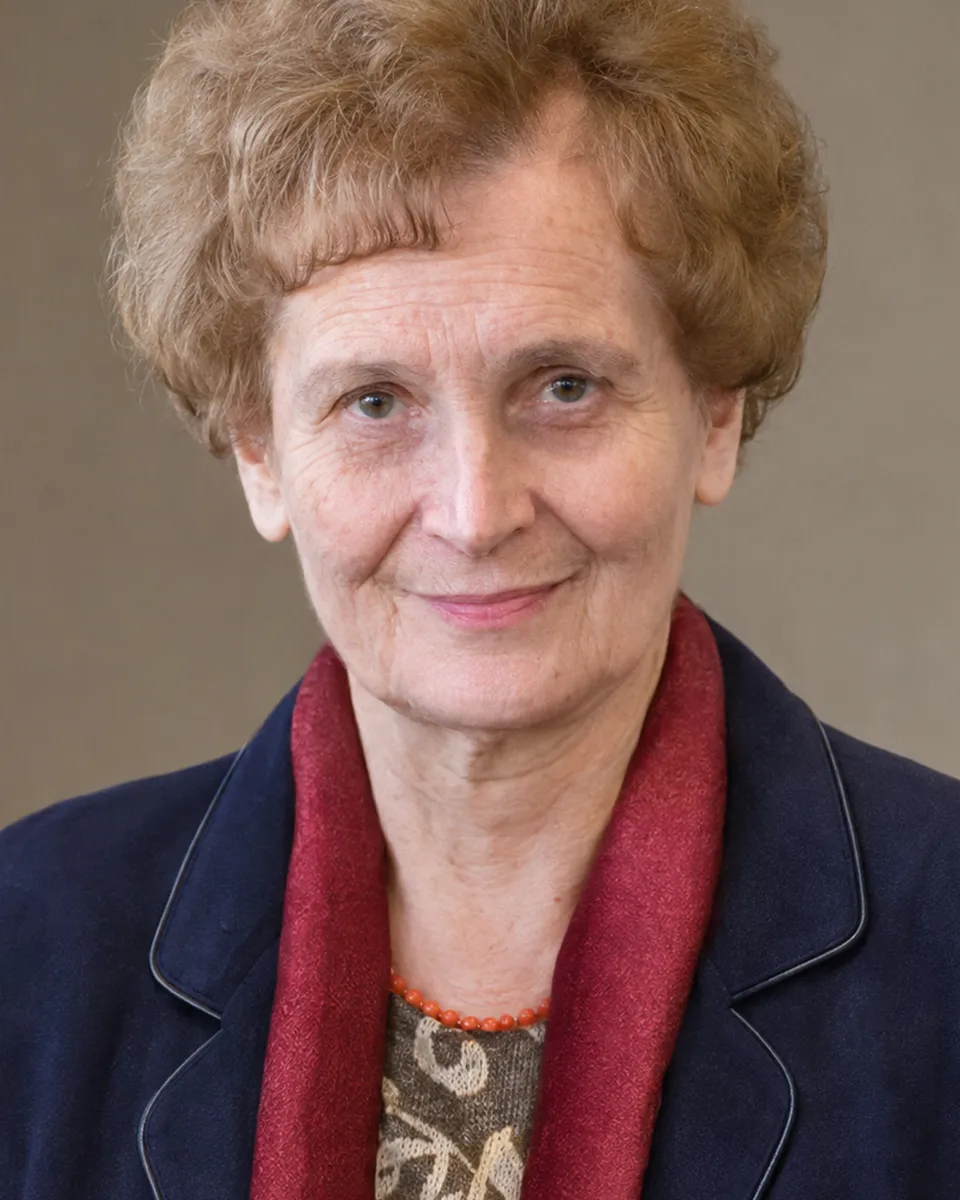
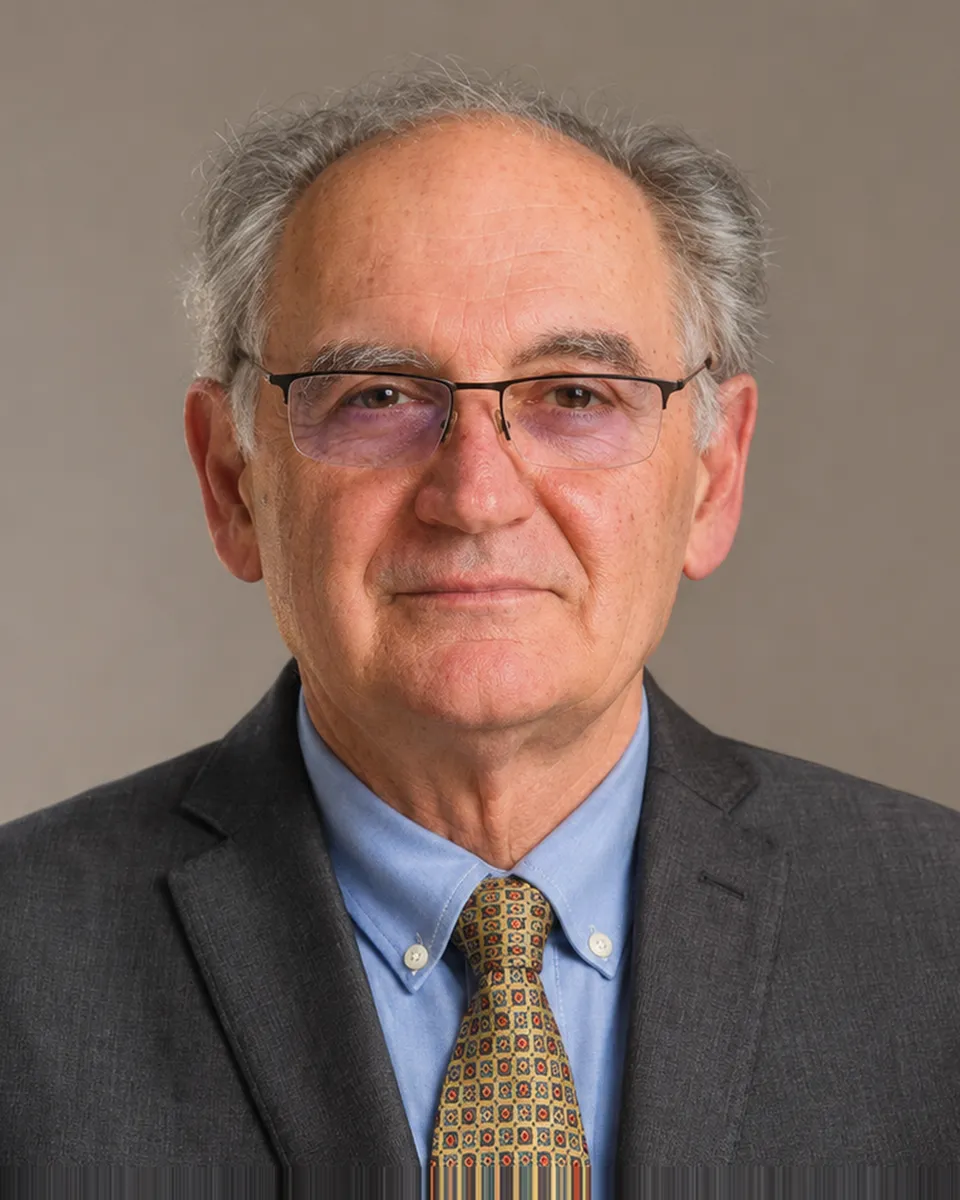
About the Club
The Club brings together former rectors and former Senate presidents of Cluj-Napoca's universities. Its members meet monthly for dialogue with the current generations of academic leaders.
"Outstanding people who, through their deeds, dedication and example, gave Cluj and Transylvania a name and reputation that went beyond the country's borders"
The first academic personalities to form the Rectors' Club, on the initiative and under the leadership of Prof. Univ. Dr. Marius Bojiță, former rector of the "Iuliu Hațieganu" University of Medicine and Pharmacy, were distinguished professors and scientific researchers who had held the office of rector of Cluj's universities, as well as former presidents of university senates. With a thoroughly Transylvanian consistency, from its founding the Club's members met monthly, with breaks only during the summer holidays and the pandemic period. On numerous occasions, the Club's guests included former and current dignitaries of the Romanian state, particularly from the educational, cultural and scientific fields, renowned artists and writers, diplomats, and representatives of the local authorities. With dedication and competence, the former leaders of Cluj's universities shared their remarkable professional and social experience with all of them. The Rectors' Club paid particular attention to dialogue with the current generations of academic leaders in Cluj-Napoca, as well as in other university centres in the country and in the European Union. In this way, following the advice of Vasile Pârvan in his inaugural lecture "Datoria vieții noastre", delivered on 3 November 1919, a beneficial intergenerational handover took place between the former, current and future academic leaders of the Cluj Academic Citadel.
Prof. Univ. Dr. Vasile Pușcaș, corresponding member of the Romanian Academy
For invitations, meetings and correspondence of the Club, please write directly to the foundation.
Write to the foundation